Why You Should Not Use Devices Before Bed
Introduction
The case for optimizing your sleep is relatively straightforward: sleep quantity and quality are among the strongest predictors of long-term health outcomes, and they strongly influence how “good” we feel from day to day.
That said, there are often many obstacles preventing people from achieving high-quality sleep on a consistent basis. In the modern world, the use of electronic devices close to bedtime can have several negative consequences for sleep.
This blog post introduces four major negative impacts that device use before bed can have:
Reason #1: Negative emotional toll
In some ways, sleep is a temporary retreat for our brains from waking life. When we close our eyes, our minds are supposed to drift into places free from its stressors.
That is one reason why scrolling social media or following the news can harm sleep: engaging with that content drags our minds back toward the negative aspects of waking life that we should be leaving behind.
This is especially true because much of the content we encounter on social media and other platforms is specifically engineered to stimulate us emotionally, more so than intellectually or socially.
Negative emotions like rage and anxiety are particularly counterproductive to sleep, yet content that triggers these emotions tends to perform especially well on social media platforms.
As a result, phone use before bed risks making our sleep shallower and less restful.
Reason #2: Untimely illumination
Sleeping in a dark environment is one of the core tenets of high-quality sleep. The mechanism is fairly simple: humans are wired to sleep when it is dark and be active when the sun is shining.
Specifically, the light emitted by screens can stimulate our brains and interrupt the natural secretion of melatonin, a hormone released by the pineal gland during periods of darkness.
Melatonin is not primarily a sedative or sleep-promoting hormone, but rather a signal that regulates the timing of daily bodily rhythms. For nocturnal animals, such as small animals that avoid predators by being active at night, melatonin released into the bloodstream is a signal to be active; for humans, it engages the mechanisms of rest.
That is why the illumination from cellphones can not only alert us while we are using the device, but also delay or temporarily interrupt the natural secretion of melatonin, which can influence the timing of sleep on other nights.
As a result, cellphone use in bed or near bedtime can throw off our sleep-related rhythms, leaving us feeling drowsy or alert at inappropriate times even if we are getting enough sleep.

Reason #3: Life creeping back in
For most of us, communicating with others through various apps on our phones has become an indispensable part of daily life. Unfortunately, the 24-hour access we share with our friends and family can create a lingering sense of obligation that is difficult to escape.
That is one reason why exchanging messages with others, checking emails, or engaging in other activities that blend the digital and the social close to bedtime can serve as stark reminders of our social commitments and day-to-day stressors.
Being reminded of our social obligations and commitments can put our minds on alert, flooding them with future plans and counterfactual scenarios. As you can imagine, a crowded mind can delay the onset of sleep and reduce the quality of that sleep once it has begun.
Reason #4: Connected isolation
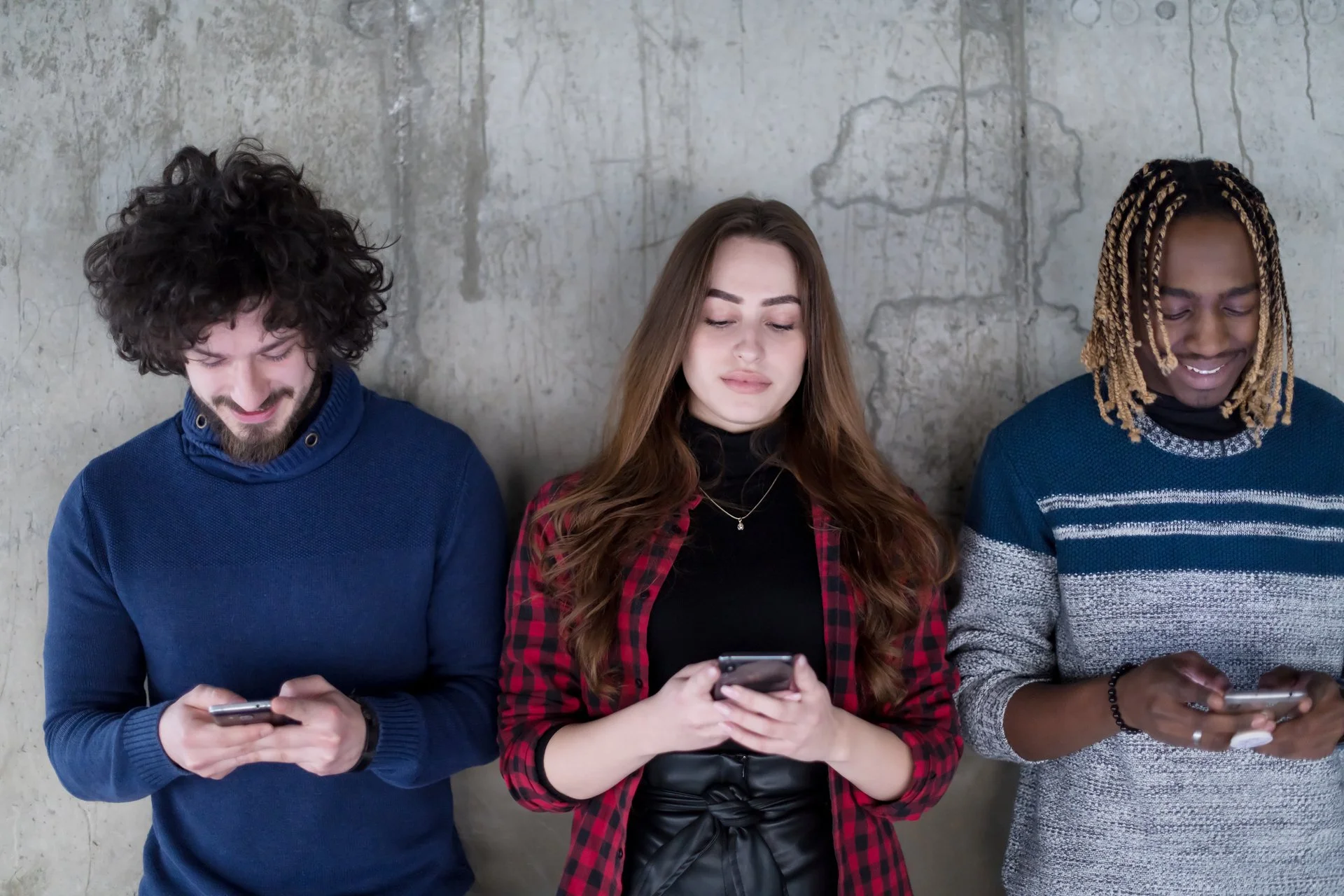
Cellphones and tablets allow us to connect with others all over the world at all hours of the day, at times almost as if those people were sitting in the same room. Paradoxically, device use before bed often occurs at the expense of interacting with those in our immediate surroundings.
Meanwhile, the relative downtime we have before sleep presents us with a precious opportunity to interact with friends and family in our immediate environment, when everyone is physically present and not busy with daily obligations.
That is why device use before bed can crowd out these precious moments, acting as a barrier to the real and fulfilling social connections we need to maintain with the people we care about most.
Wellness Takeaways
For higher-quality sleep, consider the following measures during the 90 minutes before bedtime:
Establish a “wall” between sleep and waking life by avoiding device use entirely. Consider taking a bath, meditating, or some other relaxing activity as an alternative.
Turn on your phone’s preinstalled blue-light filter and/or turn down screen brightness as much as possible, somewhat diminishing the harm that your phone’s illumination does to sleep timing.
Use “Do Not Disturb” mode to mute notifications and other device-related distractions. You can also set up device controls to limit certain apps at certain times of day.
If you do use a device, set one up with limited functionality and/or connectivity (for example, an e-reader with wireless turned off) and use it only for harmless, non-stimulating content.
Cherish the before-sleep moments you share with the people in your immediate environment. To facilitate social connection, establish times when devices and other distractions are not allowed.
Thank you for your time and attention!
Are you looking for personalized wellness insights on this and other topics?